In a world that can sometimes seem harsh and unforgiving, it’s important to remember that there are still countless examples of kindness all around us. Whether it’s in the news, on the internet, or just on the streets we walk every day, there are people working to make the world a better place. But the truth is, it doesn’t take a grand gesture to make a difference. In fact, it can start with just one person – you.
The power of kindness is something that cannot be understated. Scientific studies have shown that performing just one random act of kindness each day can have a profound impact on our mental and physical health. By sharing our kindness with others, we release hormones like serotonin, endorphins, and oxytocin that not only make us feel better, but also have a positive effect on those around us.
And the best part is, kindness is contagious. When others see us helping someone else, they’re more likely to do the same. Holding the elevator for someone, buying a coffee for a stranger, or simply smiling at someone can create a ripple effect that spreads throughout our communities and beyond.
It’s easy to feel like we’re powerless to change the world, but the truth is, we all have the ability to make a difference. By starting with just one act of kindness, we can create a chain reaction that has the potential to impact countless lives. So why not be the one to start the chain? The world could always use a little more kindness, and it all starts with you.
What do we Mean by Kindness?
Kindness is an essential trait that fosters happiness and positivity in society. It is the act of being considerate, compassionate, and helpful towards others without expecting anything in return.
At its core, kindness is about being selfless and putting others’ needs before your own. It involves treating people with respect, empathy, and understanding, regardless of their background, beliefs, or status. Kindness can be expressed in different ways, from simple acts of courtesy like holding the door for someone to more significant gestures like donating to charity or volunteering your time to help those in need.
Kindness is not only about giving to others but also about being kind to yourself. It means treating yourself with the same compassion and understanding that you would extend to others. This includes taking care of your physical and mental health, setting boundaries, and practicing self-care.
In today’s fast-paced and often stressful world, kindness can sometimes be overlooked or undervalued. However, it is crucial to remember that small acts of kindness can have a significant impact on someone’s day or even their life. A smile, a kind word, or a random act of kindness can make a world of difference to someone who may be struggling.
Kindness Increases
1. The Love hormone
One of the fascinating aspects of kindness is that it has a positive effect on the brain and the body. When we perform acts of kindness, our body releases a hormone called oxytocin, which is often referred to as the “love hormone.” Oxytocin is a neurotransmitter that is associated with social bonding, trust, and empathy.
Studies have shown that when we engage in kind behaviour, our levels of oxytocin increase, which can lead to feelings of warmth, happiness, and contentment. Moreover, when we show kindness towards others, we can also trigger a positive feedback loop. When someone receives an act of kindness, they are more likely to engage in kind behaviour towards others, creating a ripple effect of positivity and compassion.
In summary, kindness has a physiological effect on our body, which can lead to positive emotions and improved health. By increasing our levels of oxytocin, we can experience feelings of happiness and contentment, while also creating a more compassionate and caring world.
2. Energy
One of the many benefits of practicing kindness is that it can increase our energy levels. When we show kindness towards others, we often experience a sense of purpose and fulfilment, which can lead to a boost in our energy levels.
By engaging in kind behaviour, we can shift our focus away from our own worries and concerns and instead, channel our energy towards helping others. These positive interactions can boost our self-esteem and confidence, which can also increase our energy levels and motivation.
When we engage in acts of kindness, our brain releases dopamine, a neurotransmitter associated with motivation and reward. This release of dopamine can provide us with a natural energy boost and increase our motivation to continue engaging in kind behaviour.
3. Lifespan
There is a growing body of research that suggests that kindness can increase lifespan. Several studies have shown that individuals who engage in acts of kindness and compassion towards others tend to live longer and healthier lives than those who do not.
One of the reasons why kindness may increase lifespan is that it can reduce stress and its negative effects on the body. When we are kind to others, we often experience a sense of connection and belonging, which can help to reduce feelings of loneliness and isolation. This, in turn, can lower our levels of stress hormones such as cortisol, which can have negative effects on our physical and mental health.
Kindness also increase our sense of purpose and meaning in life, which can be an important factor in promoting longevity. When we engage in acts of kindness, we often feel a sense of fulfilment and purpose, which can help to keep us motivated and engaged in life.
4. Pleasure
Kindness can increase pleasure in a few different ways. Firstly, when we engage in acts of kindness towards others, it can evoke feelings of happiness and joy. Research has shown that when we perform kind acts, the brain releases neurotransmitters such as dopamine and serotonin, which are associated with feelings of pleasure and reward. These positive emotions can create a sense of pleasure and contentment within us, which can contribute to our overall wellbeing.
Engaging in acts of kindness can also increase our sense of connection and belonging, which can be pleasurable in itself. When we are kind to others, we often experience a sense of empathy and understanding towards them, which can help us to feel more connected to the world around us. This sense of connection can lead to feelings of pleasure and happiness, as we feel a sense of purpose and meaning in our interactions with others.
5. Serotonin
Serotonin is a neurotransmitter that is responsible for regulating mood, happiness, and wellbeing. It is often referred to as the “feel-good” neurotransmitter because it plays a crucial role in promoting feelings of happiness and contentment.
Studies have shown that acts of kindness can increase serotonin levels in the brain. When we engage in acts of kindness, our brain releases serotonin, which helps to regulate our mood and reduce feelings of stress and anxiety.
In fact, a study conducted by the University of British Columbia found that individuals who engaged in acts of kindness for just six weeks experienced significant increases in their serotonin levels. These individuals also reported feeling happier, more optimistic, and less stressed.
Kindness Decreases
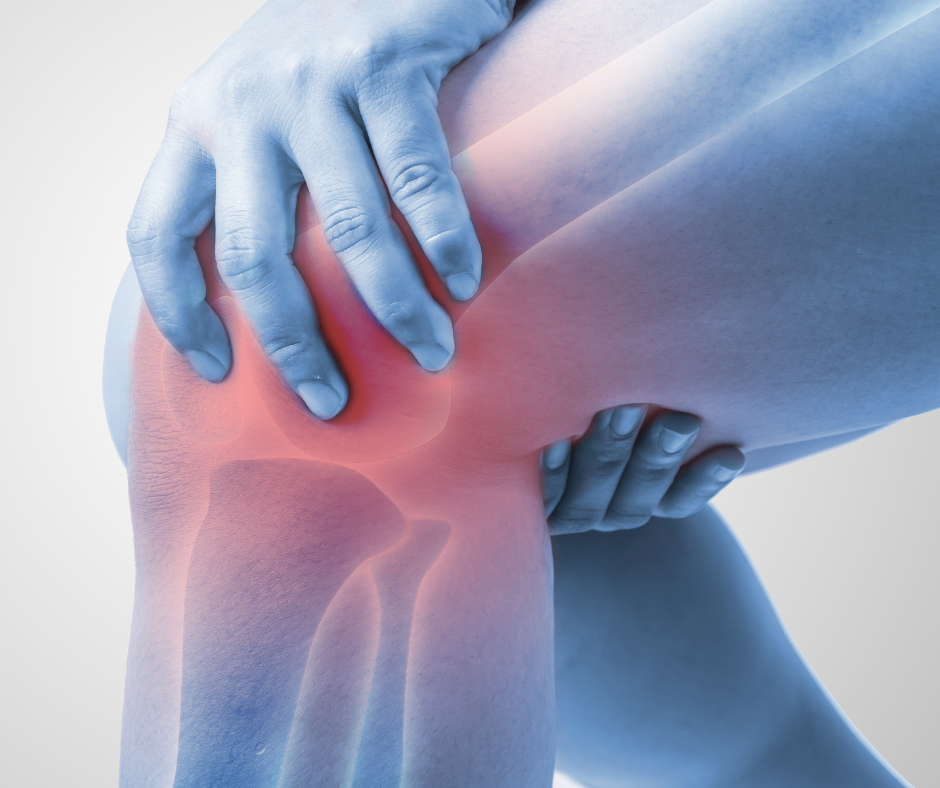
1. Pain
Studies have shown that kindness can also have a significant impact on our experience of physical pain. When we experience pain, our brain releases certain chemicals that can amplify the pain signals, making them feel more intense and overwhelming.
However, acts of kindness can help to counteract these effects. Research has found that when individuals engage in acts of kindness, their brain releases endorphins, which are natural painkillers that can help to reduce feelings of physical pain.
In one study, researchers found that individuals who received a massage and were also shown acts of kindness had a greater reduction in their physical pain compared to those who only received a massage. The researchers suggest that this may be because acts of kindness help to reduce stress and anxiety, which can also contribute to feelings of physical pain.
2. Stress
Kindness has been shown to decrease stress levels in a number of different ways. Firstly, when we engage in kind acts towards others, we activate the reward centres in our brain, which release feel-good hormones such as dopamine and serotonin. This can help to counteract the physiological effects of stress, such as increased heart rate and blood pressure.
Additionally, research has found that when we engage in acts of kindness, we experience a sense of satisfaction and fulfilment. This can help to boost our mood and decrease feelings of anxiety and stress. Similarly, when we receive acts of kindness from others, we may feel a sense of gratitude and appreciation, which can also help to reduce stress levels.
Kindness can also help to improve our relationships with others, which can in turn reduce stress levels. When we feel connected to others and supported by our social network, we are better able to cope with stressors and difficulties in our lives.
3. Anxiety
Kindness can decrease anxiety by promoting positive emotions and reducing negative emotions. When we engage in kind acts towards others, we can experience feelings of satisfaction, happiness and fulfilment. These positive emotions can counteract the negative emotions that are commonly associated with anxiety, such as worry, fear, and nervousness.
Practicing kindness can help to shift our focus away from our own worries and concerns, and towards the needs of others. This can provide a sense of purpose and perspective, which can help to reduce feelings of anxiety and stress. When we receive kindness from others, we may feel a sense of support, comfort, and connection. This can help to reduce feelings of isolation and loneliness, which are commonly associated with anxiety.
4. Depression
Kindness can be a powerful tool for reducing depression by promoting positive emotions, improving self-worth, and strengthening social connections. When we engage in acts of kindness towards others, we can experience positive emotions which can help to counteract the negative emotions that are commonly associated with depression, such as sadness, hopelessness, and worthlessness.
When we engage in acts of kindness, we may feel a sense of pride and accomplishment, which can help to boost our self-esteem. By helping others, we may also feel a sense of purpose and meaning in our lives, which can be particularly important for those who may be struggling with feelings of hopelessness or worthlessness.
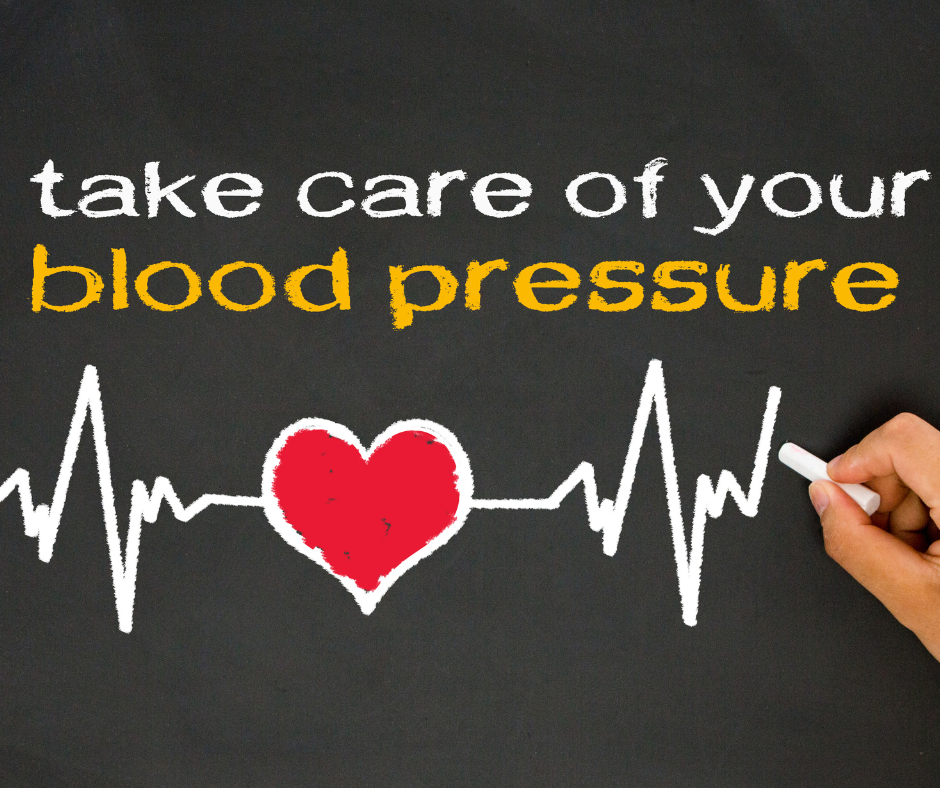
5. Blood Pressure
Research has found that engaging in acts of kindness can have a positive impact on our physical health, including reducing blood pressure. High blood pressure, also known as hypertension, is a major risk factor for cardiovascular disease, stroke, and other health problems. Therefore, finding ways to lower blood pressure is important for maintaining good health.
One study published in the International Journal of Psychophysiology found that participants who engaged in acts of kindness for just four weeks experienced a significant reduction in blood pressure compared to those who did not engage in such acts. The study also found that the reduction in blood pressure was greater for those participants who engaged in more acts of kindness.
The reason why kindness may reduce blood pressure is not fully understood, but there are several theories. One possibility is that engaging in acts of kindness can reduce stress, which is a known contributor to high blood pressure. When we are stressed, our body releases hormones such as cortisol and adrenaline, which can increase blood pressure. By engaging in acts of kindness, we may be able to reduce our stress levels and the associated impact on blood pressure.
Conclusion
In conclusion, kindness is a simple yet powerful act that can transform the world. It is a quality that we should all strive to cultivate in ourselves and encourage in others. Whether it’s through a small gesture or a grander act, kindness can make us better individuals and create a more compassionate and caring society.
Resources
How to be Happier and Change the World with Kindness
Click on the Image for Inspirational Kindness Quotes
Kindness Ideas
In this world, success is not measured solely by wealth or power. Instead, it is defined by the positive impact one has on others. Kindness and generosity are highly valued qualities, and individuals are encouraged to prioritise the wellbeing of our community over personal gain.
Paying it forward is a common practice, where individuals who receive help or support from others are expected to pass on kindness to someone else in need. This creates a ripple effect of positivity and generosity throughout society.
People look out for each other, not just in times of crisis, but in everyday life. Neighbours check in on one another, colleagues lend a helping hand, and strangers offer assistance without hesitation. This sense of community and interconnectedness fosters a culture of empathy and compassion.