
The GALE Story
GALE – More than a building?
by Elspeth Smith
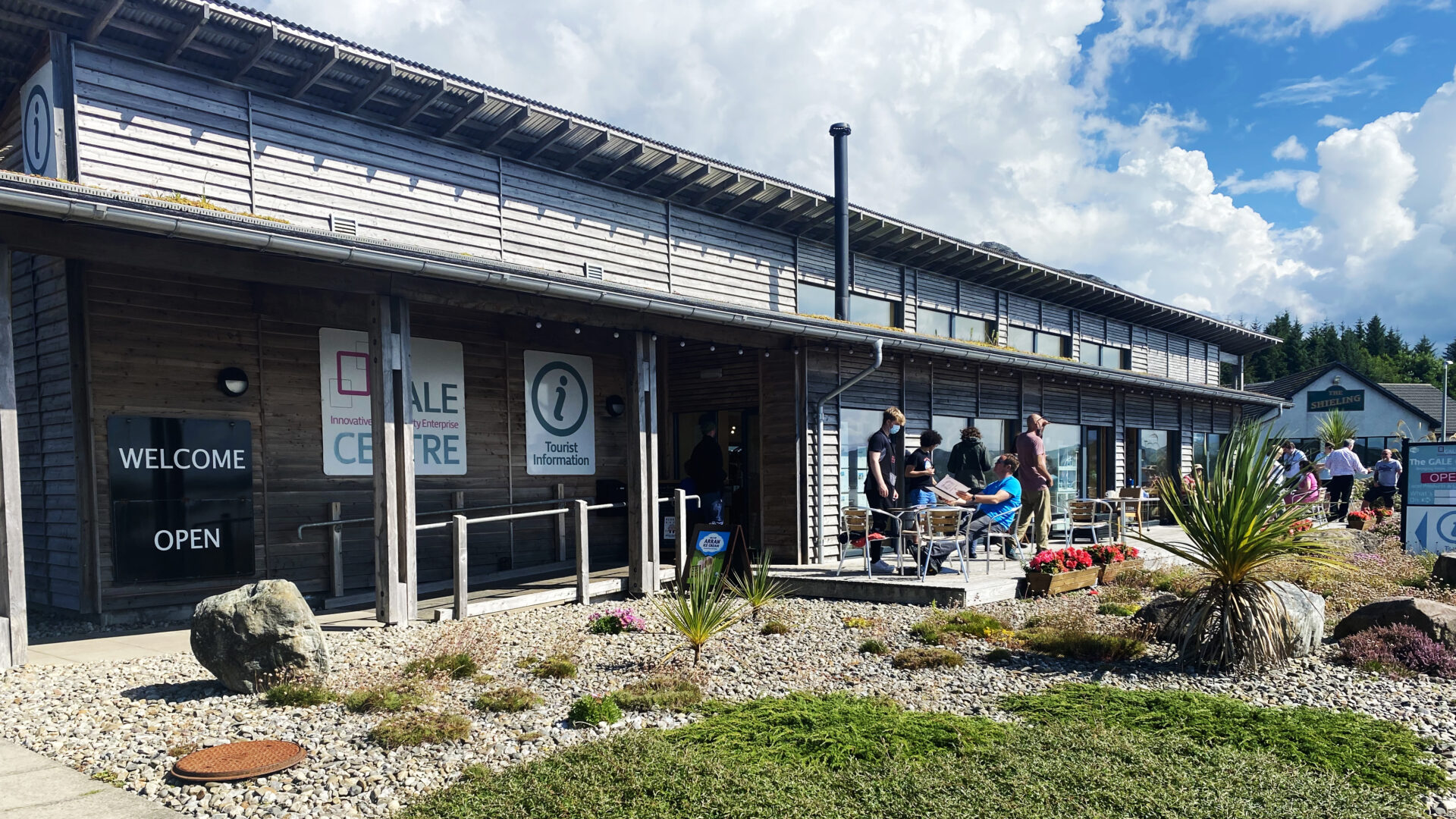
The distinctive building facing the sea at Achtercairn tends to be the first thing one thinks of when “GALE” is mentioned, but I suspect that for many of us, the wider picture and the history of this organisation is not so well known.
This article gives some of the background to GALE, setting it in context and tracing some of the impacts which the organisation has had on our community. The author is a member but not employed by the organisation, and takes full responsibility for any errors or glaring omissions of fact!
Born of adversity
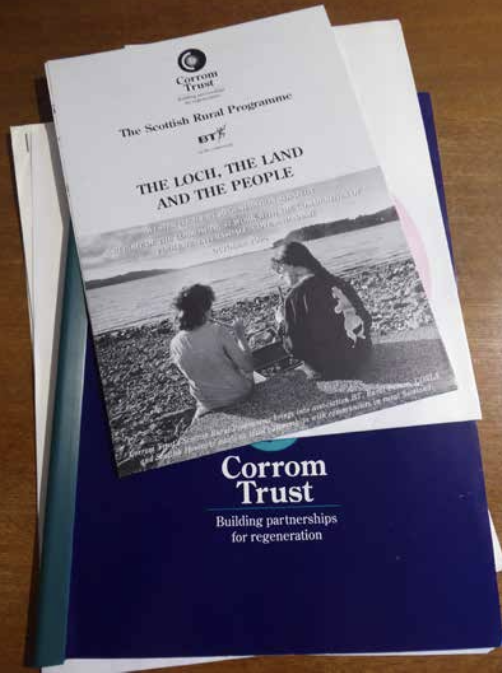
In 1995, the local community of Inverasdale was suffering from a number of threats – including the closure of the nearest petrol station (Poolewe), uncertainty over the future of the primary school, and of the village shop at Midtown. These created a disproportionate level of disadvantage for the community, which, along with 3 others (Mull & Iona, Islay & Jura, and Moidart & Ardanurchan), was selected by a charity called The Corrom Trust for direct intervention. The Trust ran the Scottish Rural Programme which supported communities in tackling their own issues and shaping their futures through community led regeneration.
There followed an intensive period of consultation and workshops, creating a Regeneration Strategy for the area – older residents and readers of this paper may recall ‘The Loch, The Land and The People? This document outlined a range of projects and actions which were agreed by the community as of high priority, and in 1997 the Loch Ewe Action Forum (LEAF) was incorporated to take the lead in co-ordinating implementation of the strategy.
Making things happen
The original Regeneration Strategy – and all that led up to its creation – was funded by local authorities, the Corrom Trust, the Albyn Housing Society, and the EU LEADER 2 programme (a strategy directed by the EU at strengthening rural communities across the wider area).
The incorporation of LEAF, the financing of a community office, and support for a Development Worker were supported by grant funding from the local authority and enterprise bodies, the National Lottery, and the Calouste Gulbenkian foundation.
The priority for LEAF was to deliver the various elements of the Regeneration Strategy, and this was done over succeeding years, with the following projects:
• Construction of Inverasdale slipway and car park • Construction of 4 affordable housing units at
Firemore
• Creation of community website
• Footpath waymarking
• Creation of seating areas around Loch Ewe – with picnic tables & benches and a duck pond
Refurbishment of Poolewe Village Hall
• Inauguration of Poolewe Market
• Poolewe and Aultbea public toilets – cleaning and operating contract
What next?
By 2001, LEAF had also become active in the Aultbea area – using the hall there for the markets while Poolewe was renovated; getting involved in supporting community projects such as Laide Jetty, Laide wood, and the Chapel of Sand of Udrigle. There was increasing demand for activities which straddled the two communities of Poolewe and Aultbea – eg the creation of a Youth Cafe in Poolewe area was not practical as there were not enough young people to make it work. The operating area was therefore extended to include the Aultbea Community Council area (up to Badcaul) in February 2001.
At around this time, it became increasingly difficult to source funding – both for individual projects and also for the core costs of the organisation. As has been seen already, a wide range of bodies may be willing to support community development organisations, and to invest in particular projects, but the process of applying for funding is in itself a full time job, and uncertainty over finances is a major inhibitor to many worthwhile activities.

Turning over a new LEAF?!
In February 2002, the members of LEAF agreed to wind it up, transferring all its assets and liabilities to a new organisation – with the same structure and Directors – with a new name and a wider remit. The Gairloch And Loch Ewe Action Forum (GALE Action Forum) is a Development Trust covering the entire Gairloch parish.
A number of factors lay behind this significant shift in scale, not least that funding for new organisations and activities is usually much easier to come by than for existing ones! The establishment of a new Trust allowed the organisation to source desperately needed financial support and ensured that community development work across the wider area could continue.
In addition to the financial benefits, the Trust was able to support the development of the Youth Cafe idea into what finally became the Den. The location of the High School in Gairloch meant that this was also a sensible location for the youth focus. The local tourist office in Gairloch, which served the wider area, was under threat of closure, and the Trust was concerned at the possibility of losing this significant resource from the community.
So, now you know that your local development trust goes back to before the creation of a Scottish Parliament – in fact it is one of the oldest in Scotland, and widely regarded as a model for other trusts. Many of these share a similar history – a community prompted by adversity to find out what can be achieved by their own efforts to maximise their assets and realise a vision of what they would like to see. Legislation and funding now supports a wider range of activities, and has facilitated community ownership of assets – land, buildings etc – so that all over the country, communities like ours are taking control of their future in new ways.
Members and Directors of Development trusts are local residents, ordinary people who want to see change for the benefit of their communities, and who are willing to work it out together. This list of Directors from the early days of LEAF, right through to 2018, demonstrates that no single skill-set is required, and all are welcome to make their contributions – there is apparently always room at the Director’s meetings for a few more!
Directors from 1997 to date: – Robert Urquhart, Hugh MacLeod, Murdo Maclean, Tony Shinkins, Ann Marie Young, Nicola Taylor, Derek Taylor, Angela Urquhart. Madge MacLeod, George MacLeod, Roseanne Urquhart, John Urquhart, John Miller, Christopher Urquhart-Taylor, Iseabail MacKenzie, Rosemarie Haseldine, Roy MacIntyre. Frank Buckley, Donald MacRae, Phil Bond, Karen Jones, Sandra Nairn, Hedley Calvert, Janet Hopwood, Christine Conniff, Jacky Brookes. Linda Hunter, Kerry MacLennan, Angela Rae, Paul Wright, Marie MacRae, Malcolm Purvis, John Wood, Stuart Smith, Janet Miles, Majella O’Neill.
2003 saw GALE based in rooms within the Poolewe Hall – having graduated from a portacabin near the swimming pool, via space in the industrial units at Clifton – and now boasting an Administrative Assistant alongside the Local Development worker. At this stage, funding for ‘core’ activities (salaries, office costs etc) was secured until 2005 from a range of sources including the Scottish Community Foundation, Hugh Fraser Foundation and Lloyds TSB.
Learning to stand alone
No community organisation can expect to receive external funding for salaries and office costs in perpetuity, and grant- making bodies are always looking to see evidence of efforts to realise financial independence. This was the aim of GALE – to become a social enterprise, utilising trading opportunities, obtaining contracts to carry out local projects in order to cover staff costs and plan for expansion and development. The path has not been smooth, and staff occasionally had to delay cashing their wage cheques, but the goal of financial independence was achieved and has been maintained since 2005.
To this end, and in support of the vision to strengthen the local economy, when the opportunity arose in 2003 to take over running the Gairloch Tourist Information centre, the board were willing to go ahead. This provided a significant income and employment/training opportunities for staff. Another important contract was obtained from the Highlands and Islands Executive (HIE) to deliver their Wester Ross Community Planning work and also a European initiative (the Community Economic Development Fund).
In the process of delivering these programmes, a wide consultation and learning exercise was carried out and this together with local research informed the identification of new priorities for GALE in directing its energies towards employment and service provision. Other key issues in housing, transport and land use were seen as beyond the reach of the organisation, and not suitable as priorities.
Building community
The community markets in Poolewe had begun in 2000, and were now very popular, with a waiting list for potential stall holders. A part-time member of staff was supported by income from the market, promoting the market, organising and setting up the event. Some stall holders grew their businesses so successfully that they were able to create their own physical retail outlets (eg. The Perfume Studio at Mellon Charles).
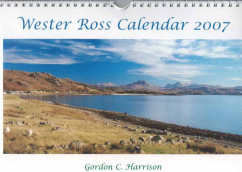
Work on development of the ‘Wester Ross’ brand (in partnership with the Wester Ross Alliance), as a recognisable tool for marketing our area and all it offers – including the creation of the first ‘Wester Ross’ calendar – was a highlight of this period, which also saw the restoration of the Gairloch and District Show after a 10 year hiatus. The Show is primarily an event for the local community, creating opportunities for developing the strong social connections which are at the root of resilient and healthy communities.
Building…a building!
In 2006, a number of factors combined to create the vision for a physical presence for GALE…
It had been clear from discussions with Visit Scotland that they had no intention of maintaining the Tourist centre after its lease expired in 2013, so that although GALE was running a successful year-round tourist office, there would be no premises within which to base the service by 2014. In addition, the current office space (Poolewe hall plus one room in the Gairloch tourist office) was no longer adequate for the activities being pursued.
The experience of running the Tourist office, plus the weekly pop up cafe and the craft and produce markets had demonstrated a demand for the service and an opportunity for a retail “experience” based on locally sourced/manufactured products. It made sense t0 create a space within which a number of complimentary services could be combined, which could more efficiently house all of GALE’s activities, and also crucially give a physical, visual presence. The Board was aware that for the majority of residents and visitors, GALE was invisible, and its work in running the markets and tourist service, maintaining the public toilets and supporting initiatives such as the Shot in the Dark, the community mental health project was assumed to be done by others.
All of this was creating demand for a single site building project, but where was the perfect spot?
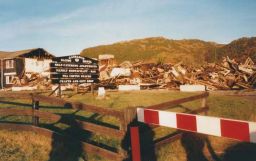
In 1999, a hotel burnt down on the main road right where the GALE Centre and Farm and Garden store are now located. The site had subsequently been purchased – and added to – by the Highland Small Communities Housing Trust (HSCHT). A masterplan for development was created for HSCHT by consultation with the local community and business groups to address local housing issues, but the roadside part of the site had been allocated for retail/community use.
At this time, although the housing had been developed, there were still no takers for the roadside site….HSCHT were approached and presented with the vision for a multi-purpose community building to house all GALE services and with room for future growth. They accepted the proposal enthusiastically and in 2012 the building was opened.
Funding for the building project had been gathered from a number of sources, including the National Lottery Community Fund(50%), HIE and the Community Land Unit. A proportion of the funding came in the form of a loan, which has now been completely paid off.
Starting all over again?
The aim of the GALE Board in many of its projects was to see a vision through to reality and then effectively hand it over, releasing it to be run by others, since the organisation did not have ambitions beyond its very modest manpower and financial resources.
Some projects have been taken over by their own members, some have perished as a result of events outwith the control of GALE. By the time the new building opened, the organisation was no longer running the Poolewe markets, and the Laide Wood had long been very effectively managed by its committee who were now legally entitled to own it. The market for calendars to share the splendour of Wester Ross was being effectively supplied by other organisations, and tourism interests were being co-ordinated and marketed by ‘Visit Wester Ross – the Celtic Fringe’ committee.
Certain core functions remained however, and on these the organisation continued to build from the new premises in Gairloch. The Tourist information office provides a year-round service; the public toilets in Poolewe and Aultbea remain open and well-maintained; the Gairloch and District Show happens year on year.
Less about buildings, more about people
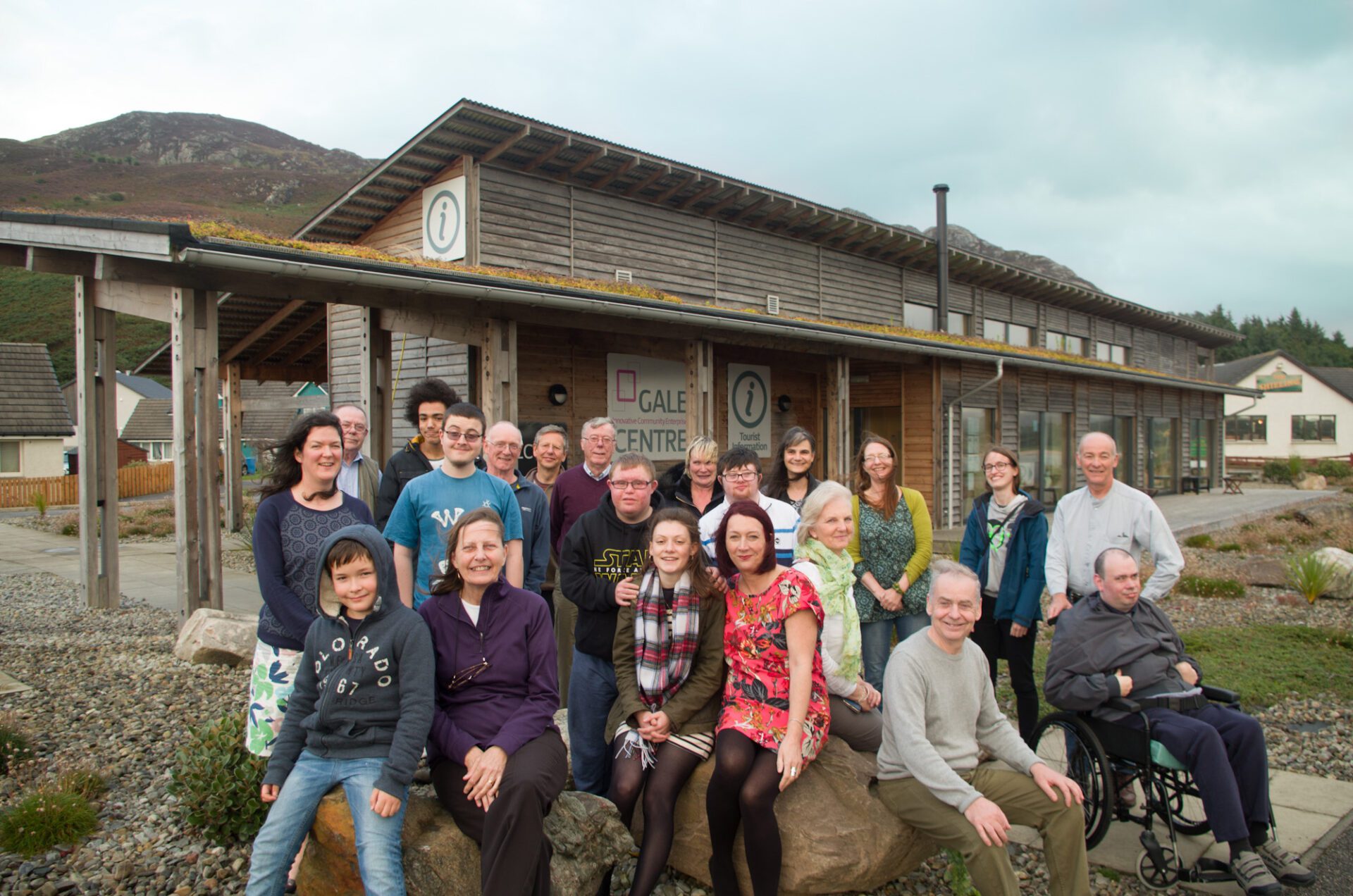
The GALE centre as we now know it on the site by the sea, has been up and running since May 2012. Implementation of the Board’s vision for the centre has proceeded gradually in subsequent years, as the service offered and staff employed increased – for example, the cafe started as a tea/coffee counter only in 2013, with soups added in 2014, and finally the full range of products we now enjoy in 2019, when a Cafe Co-ordinator was also employed for the first time. The centre is seen as part of the evolving role and resources of GALE, as new opportunities and challenges are identified.
In the Cafe Co-ordinator case, and others, short term funding has been attracted to initiate projects and kick-start employment, but in the longer term, it is income generated in the centre which pays the salaries, and thus redirects the money into the local economy.
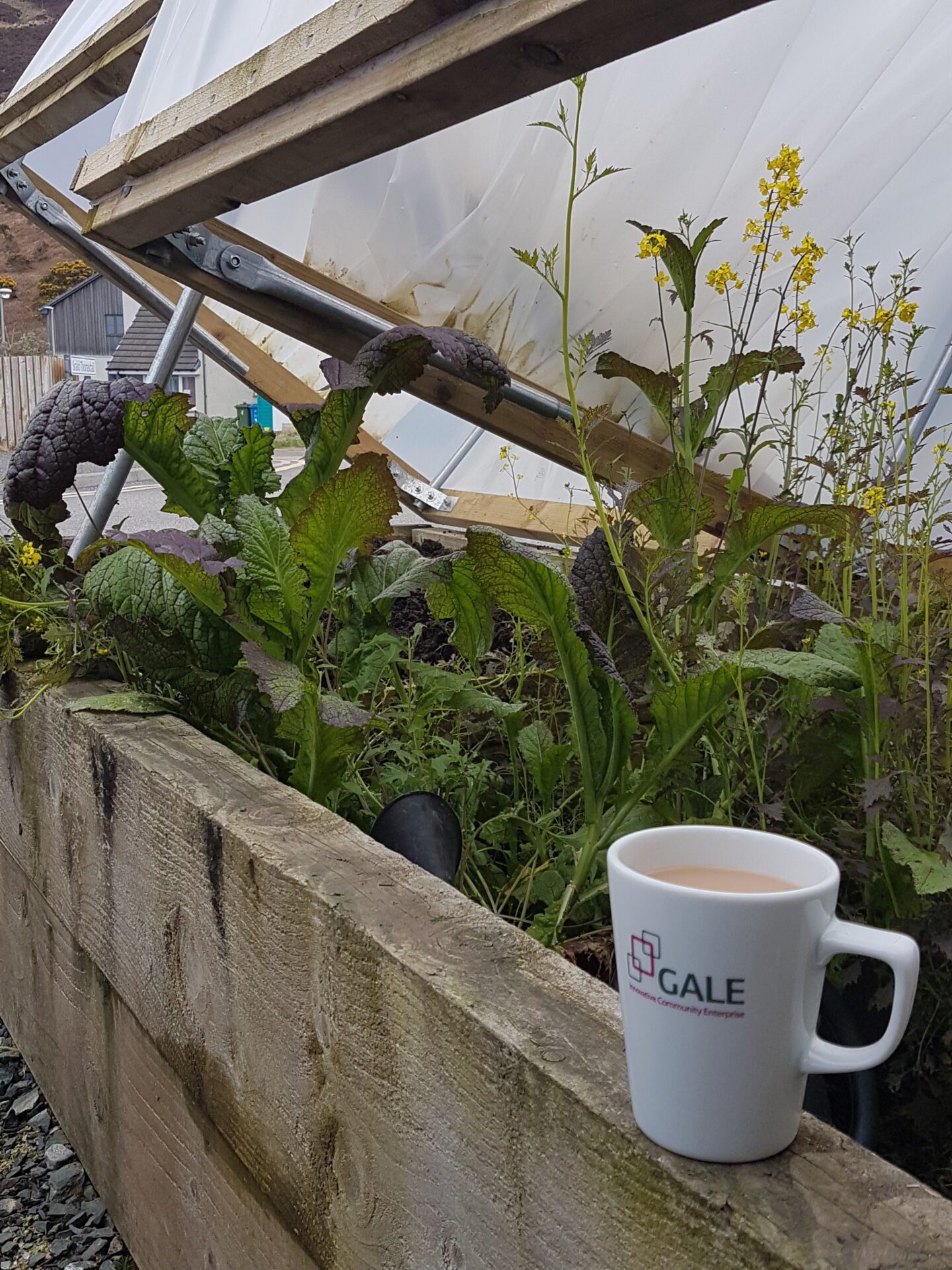
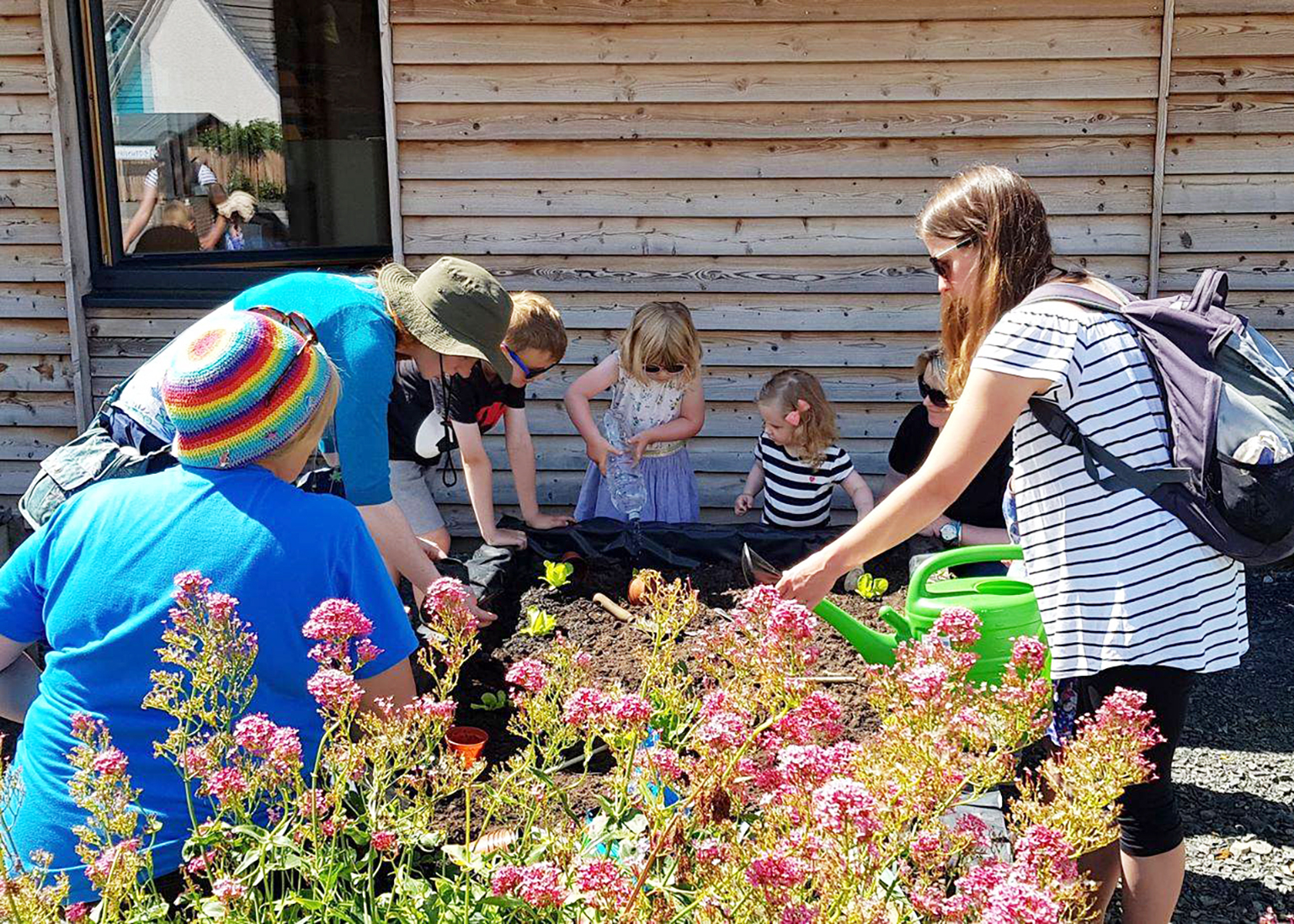
In line with the Board’s vision of focusing on employment and services, GALE has worked in creating volunteering and employment opportunities – with an appointed Volunteer Co- ordinator, and the Outdoor learning/Gardening leader. In 2017, GALE achieved an Investing in Volunteers award, in recognition of the care and commitment with which this aspect of the work is being carried on. There is a long term aim to “enable the Gairloch and Loch Ewe area to become a more inclusive community by removing barriers to volunteering and supporting all sectors of society to participate and contribute towards the enhancement of their local community”(Trustees report for 2017).
Local Projects..
In 2012, the Gairloch and District Times was facing a crisis, as the existing editor had put out a plea for assistance to cope with a growing workload, and been unable to raise any support. A series of discussions among the paper’s leadership team and with GALE resulted in a partnership agreement with a view to securing the long term sustainable future of the paper.
In the short term, this led to the appointment of the first paid staff (editor and administrator) for the paper, and in due course GALE also supported the team through obtaining SCIO status, and restructuring the organisation. From 2013-2015, this partnership was in operation through a team consisting of representatives from both organisations, and by the end of this time, the overall objective, of retaining and enhancing the high quality publication which is the G&DT had been achieved. Since dissolution of the formal partnership, GALE supported the Times by providing necessary payroll services until 2021 – an important job, and one which can be a major challenge for a very small and volunteer led organisation.
GALE supported the Aultbea Regeneration Company in their applications/plans to the Lottery for the proposed new hall, and also did some work for GAMS, employing a project co- ordinator in 2016, securing some grant funding, and providing appropriate project management support for a time.
An exciting current project is the Planning for Real Community Consultation exercise, which is to be carried out over the coming years, and which it is hoped will generate fresh ideas and partnerships for positive change across the area.
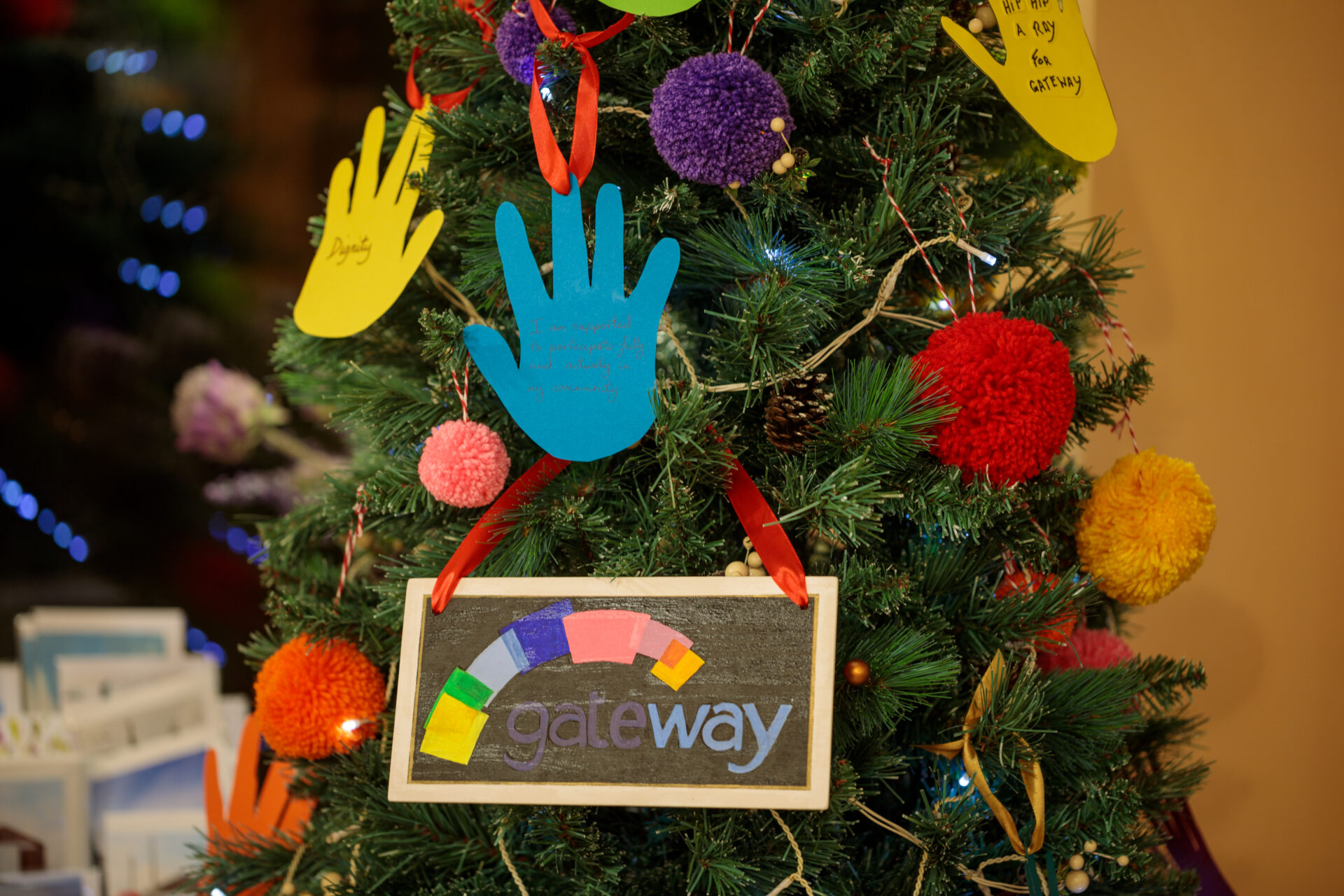
In addition to continuing to support and promote the annual show in summer, GALE has developed the Winter Show and Christmas Tree Festival – a very ingenious alternative to putting up external Christmas lights in a village which is so vulnerable to winter gales! These, combined with the occasional and regular events hosted within the building – such as the regular winter social evenings around a meal – are putting the building to good use as a resource for addressing isolation, creating and strengthening community and connections.
The stocking of the shop and cafe with produce from local cooks, bakers, artists and crafters is another way in which GALE seeks to support and strengthen the local community – boosting local incomes and providing a retail outlet which might otherwise be hard to access. As of January 2019, this group include 43 local craft and art makers, and 20 bakers/soup makers.
Further afield..
Few local readers may have heard of the Highland Real
Nappy Project (HRNP) – I certainly had not! This project (now known as the Nappy Network) operated with two staff and 30 volunteers for a few years under the management of GALE (2011-2017). The project no longer has core funding and now operates entirely with volunteer management, although still informally supported by GALE. As part of the task of project managing, HRNP/GALE organised an annual Baby Show for tradespeople(2010 to 2013) selling all things baby-related, in Inverness.
The GALE Executive Director continues to manage the organisation for growth, and in a way which will make it self- sustaining. She also acts as a consultant to other organisations, which brings in additional funding to GALE, as well as sharing expertise and strengthening the wider sector of development and community trusts across Scotland.
A training course for community groups who wish to take over an asset (such as a building, a car park, land, public toilet facility etc) is being developed and it is hoped will be delivered within the next two years across Scotland. We can be proud in this area that we have a strong and effective organisation, which is continuing to bring benefits not only to our own community but also to others

Challenges of being a ‘grown up’ trust!
As the staff team grows (there are now 10 full or part-time staff, 8 general assistants and around 30 volunteers), so also do the burdens of management and responsibility – it takes a good deal of confidence to offer long-term contracts to anyone – and it also becomes harder to maintain the core values of the organisation and remain in harmony with one another. We all know that human beings have a tendency to fall out with one another, and that is no less likely to happen in one agency than in any other!
In addition to managing staff, there are the current projects to be supported, refreshed, and redirected if necessary – finding time to be creative when maintaining the status quo takes so much energy and is not easy. The creation of a role for a GALE Centre Manager is part of the solution to this challenge. As every householder knows, it can be a burden as well as a blessing to own your own building and be responsible for its maintenance, decoration and upkeep!
The motivation of GALE, and other community development trusts is to make a difference in their areas, often tackling apparently insoluble problems:-“We operate where there is market failure and as such we start from a place of disadvantage. The public sector and private sector have failed to make a go of the issues we work to address, yet we expect to succeed. We also expect to do it through community empowerment and democracy – immediately a challenging task. This is not a level playing field yet expectations of us are very high. This is a huge challenge – to manage expectations and help people to understand just how difficult an area we work in.” (GALE Director, 2019)
So what are we going to do with it?
The idea behind this article was principally to satisfy the curiosity of those – like myself – who wanted to know the story behind the building which we call the GALE centre. I hope that I have in some measure achieved this, although I recognise that some readers will know many details about particular episodes which I have barely touched upon.
In addition to simple curiosity however, I had a wider motive, namely to remind our community that a development trust – of which GALE is now a well established model – is a community asset. It represents a body of experience and expertise; a channel by which information and funding might be accessed; and guidance received for the realisation of our aspirations as a community – for our services, our natural and built environment and our local economy. As a group of people, we share many visions of what we might like to see, and probably also some strong ideas of what we do not want to see, in our common future. The development trust is a tool, there for us to use in addressing problems and making the changes we want to see.
If you want to get an idea of just what might be achieved, I recommend you have a look at the website of the Development Trust Association Scotland (https://dtascot.org.uk/). We may not quite aspire to buying an airfield (they have done just that at Macrihanish in Kintyre), but what might we achieve together