
Driving Change: Local First Approach to Supply Chain
Introduction
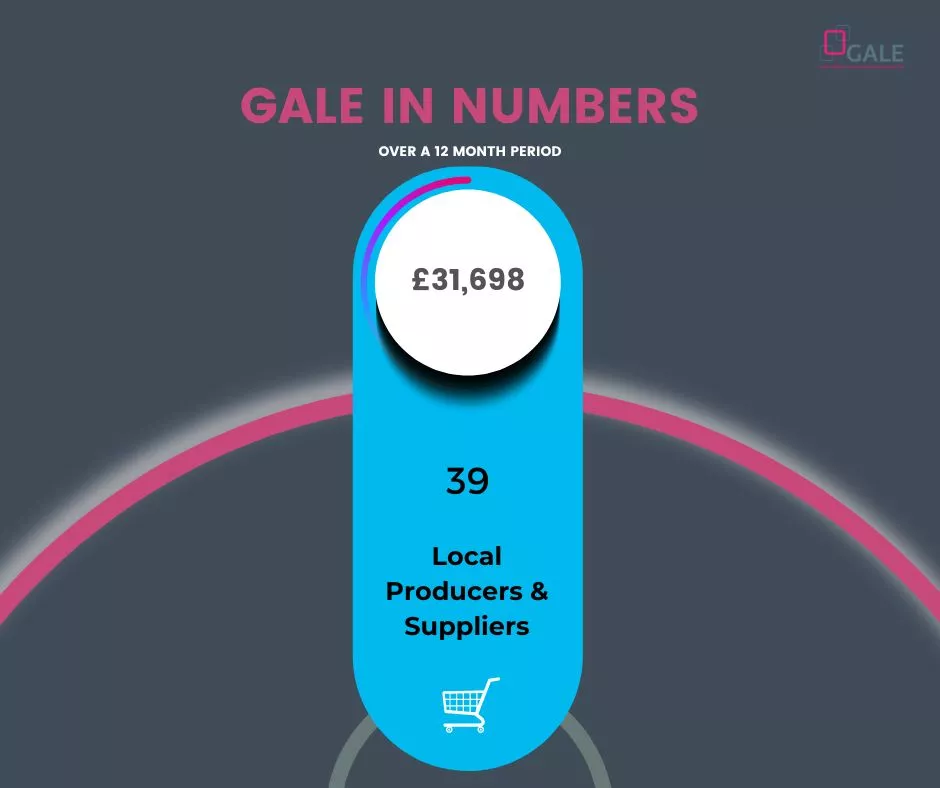
In today’s rapidly evolving business landscape, the concept of social enterprise has gained considerable traction. These enterprises prioritise social and environmental impact alongside profit, seeking to create positive change in their communities. GALE, a pioneering social enterprise, has taken a significant step towards driving change locally by adopting a “local first” approach to its supply chain. By engaging 39 local producers and suppliers in 2023 and paying them a total of over £31K, GALE has not only contributed to the growth of local businesses but has also fostered sustainable economic development.
Strengthening Local Businesses and Economy
By choosing to partner with local producers and suppliers, GALE has become a catalyst for the growth and sustainability of the local economy. By diverting its purchasing power towards local businesses, it ensures that resources are reinvested within the community. This approach creates a virtuous cycle, stimulating economic growth, and fostering entrepreneurship.
Fostering Community Engagement and Collaboration
GALE’s local first approach goes beyond mere transactions; it brings a sense of community engagement and collaboration. By building strong relationships with local producers and suppliers, GALE creates a network of stakeholders who share a common vision for sustainable development. This collaboration leads to knowledge sharing, skill development, and the creation of innovative solutions. GALE’s local partners are not just suppliers; they become trusted allies, working together towards a shared goal of community empowerment.
Environmental Sustainability and Reduced Carbon Footprint
In addition to the socio-economic impact, a local first approach also contributes to environmental sustainability. By sourcing products and services locally, GALE reduces the carbon footprint associated with long-distance transportation and logistics. This localised approach minimises the environmental impact of the supply chain, promoting a greener and more sustainable business model. Through conscious decision-making, GALE demonstrates that social enterprises can be at the forefront of environmental stewardship.
Conclusion
GALE’s local first approach to its supply chain has proven to be a powerful catalyst for change. By engaging 39 local producers and suppliers in 2023 and paying them a total of over £31K, GALE has not only contributed to the growth of local businesses but has also fostered sustainable economic development. This approach strengthens local economies, fosters community engagement and collaboration, and promotes environmental sustainability. As other businesses seek to emulate this model, the path to a more prosperous and inclusive future becomes clearer. By prioritising the local community, we can drive positive change, empower individuals, and build a more sustainable and equitable society.