
Combatting Cyber Bullying: Awareness, Impact and Solutions
World Day of Bullying Prevention 2nd October 2023
Introduction
Cyber bullying, a growing concern in today’s digital era, can be defined as the use of digital technologies such as smartphones, computers, laptops, and gaming systems to bully, intimidate, or harass an individual or group. This malicious behaviour is typically persistent or repetitive and intends to cause emotional distress.
Types of Cyber Bullying
The rise of technology and the internet has brought about new forms of bullying known as cyber bullying. In this guide, we will explore different types of cyber bullying, including harassment, flaming, denigration, impersonation, outing, trickery, and cyberstalking. Understanding these forms of cyber bullying is essential in order to recognise and address them effectively, ensuring the safety and wellbeing of individuals in the online world.
- Harassment: This form of cyber bullying involves the persistent sending of harmful, offensive, or derogatory messages to a single person through digital platforms. This could range from name-calling and insults to more aggressive threats. The repetitiveness and hostile nature of these messages classify them as harassment.
- Flaming: Flaming refers to online fights where offensive language, heated arguments, and personal attacks are used. These fights usually occur in public online spaces, such as forums or comment sections, and are designed to incite reactions and tarnish reputations.
- Denigration: Also known as “dissing,” denigration involves spreading false, damaging gossip, or rumours about a person or organisation with the intent to harm their reputation or peer relationships. This could be done through public posts, private messages, or even creating websites to amplify the damaging information.
- Impersonation: Here, a bully creates a fake profile or pretends to be someone else to cause harm, fool others, or defraud. Impersonation can be particularly harmful as false information or actions can lead to serious consequences, such as ruining relationships or causing emotional distress.
- Outing: Outing involves the sharing of someone’s private, confidential, or embarrassing information, images, or videos online without their consent. This act of betrayal can lead to public humiliation and emotional distress for the victim.
- Trickery: This form of cyber bullying involves gaining a person’s trust and persuading them to reveal secrets or confidential information. Once obtained, the bully shares this information publicly online, causing humiliation and betrayal.
- Cyberstalking: This is a severe form of cyber bullying where threats of harm, intimidation, and invasion of privacy are persistently directed towards a person. Cyberstalking can include tracking online activities, gathering information about the person, and sending threatening or unwanted messages. It can lead to significant fear and distress for the victim.
The Impact of Cyber Bullying
The effects of cyber bullying can be devastating and long-lasting. Victims may experience low self-esteem, increased suicidal ideation, and a variety of emotional responses, including being scared, frustrated, angry, and depressed. It is crucial to understand the multifaceted impact cyber bullying can have on individuals and implement effective strategies to address and prevent it.
- Emotional and psychological effects: Cyber bullying can have severe emotional and psychological impacts on the victims. Constant harassment, humiliation, and threats can lead to feelings of fear, anxiety, depression, and low self-esteem. Victims may experience a loss of interest in activities they once enjoyed, have trouble concentrating, or even contemplate self-harm or suicide. It’s important to recognise the significant toll cyber bullying can have on a person’s mental wellbeing.
- Social isolation and loneliness: Cyber bullying often targets individuals in their own homes, where they should feel safe and secure. As a result, victims may feel isolated and cut off from their social circles. The fear of being judged or ridiculed can lead to withdrawal from social interactions, both online and offline. This sense of loneliness can further exacerbate feelings of sadness and hopelessness.
- Academic and educational consequences: Cyber bullying can impact a victim’s academic performance and overall educational experience. Constant harassment online can lead to decreased concentration, inability to focus on schoolwork, and a decline in grades. The fear of encountering the bully at school or online may also cause victims to skip classes or avoid participating in school activities, hindering their educational progress.
- Physical health issues: The stress and anxiety caused by cyber bullying can manifest in physical symptoms. Victims may experience headaches, stomachaches, loss of appetite, sleep disturbances, or even chronic health conditions. The ongoing stress can weaken the immune system, making individuals more susceptible to illnesses.
- Long-term psychological effects: If left unaddressed, the effects of cyber bullying can persist long after the incidents have ceased. Victims may develop post-traumatic stress disorder (PTSD), experiencing flashbacks, nightmares, and intrusive thoughts related to the traumatic experiences. They may also struggle with trust issues, finding it difficult to form new relationships or open up emotionally due to the fear of being hurt again.
- Impact on self-image and self-worth: Cyber bullying attacks the core of a person’s identity, often targeting their appearance, intelligence, personal traits, or beliefs. Constant negative feedback can erode a victim’s self-image, leading to a distorted perception of themselves. They may internalise the hurtful comments and believe they are unworthy or deserving of the abuse. This can hinder personal growth, self-confidence, and the ability to establish a positive self-identity.
- Cyberbullying bystanders: Witnessing cyber bullying can also have detrimental effects on bystanders. They may experience guilt, fear, or helplessness for not intervening or speaking out against the bullying. Bystanders may also fear becoming the next target, leading to a culture of silence and perpetuating the cycle of cyber bullying.
Handling Cyber Bullying
By using the following steps and seeking the necessary support, you can effectively respond to cyber bullying and protect yourself from its harmful effects. Remember, you deserve to feel safe and respected in the digital world, and there are resources available to help you navigate through these challenging situations.
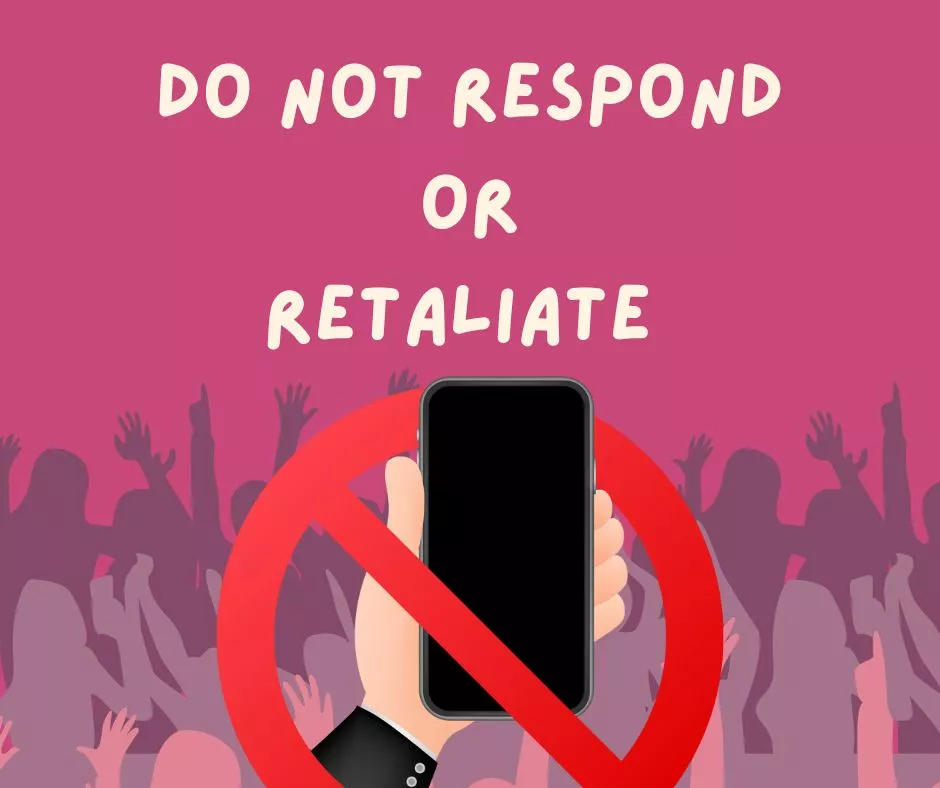
- Do not respond or retaliate: If you’re being cyber-bullied, it’s crucial not to engage with the bully by responding or trying to retaliate. This could potentially escalate the situation and give the bully more ammunition. Instead, ignoring the bully can sometimes lead to them losing interest and stopping their actions.
- Document and save: Always keep a record of any incidents of cyber bullying. This includes saving screenshots, emails, text messages, or any other form of evidence. These records can be used to report the cyberbullying to the relevant authorities, whether it’s school administrators, website administrators or, in extreme cases, law enforcement.
- Report to the relevant platforms: If the cyber bullying is occurring on a particular platform such as a social media site, it’s important to report the incident to the platform administrators. Most platforms have strict rules against bullying and harassment. Social media platforms have mechanisms to report and block users who are engaging in bullying behaviour. Make use of these features to stop the abuse.
- Reach out to a trusted friend: If you’re experiencing cyber bullying, it’s essential to tell a trusted friend about what’s happening. This could be a parent, teacher, school counsellor, co-worker or friend. They can provide support, advice, and help you take the necessary steps to address the situation.
- Protect your accounts: To prevent cyber bullying, it’s important to ensure all your online accounts are secure. This includes using strong, unique passwords for each account, changing passwords regularly, and utilising privacy settings to control who can see your posts and personal information.
- Seek professional help if needed: If the cyber bullying is causing emotional distress, it may be necessary to seek help from a mental health professional. They can provide strategies to deal with the emotional impact of cyber bullying and help build resilience.
Conclusion
In conclusion, the key to handling cyber bullying lies in the understanding that no one should face it alone. Knowledge, communication, and taking prompt action are critical. It’s an issue that requires collective efforts from parents, educators, and policymakers to create a safe, respectful online environment.
If you are a victim of cyberbullying and would like advice, we would be happy to help. Please email us at marketing@galeteam.co.uk.